


What are the main materials used in solar-powered sprinkler pumps?
#Knowledge ·2026-07-31 09:28:39
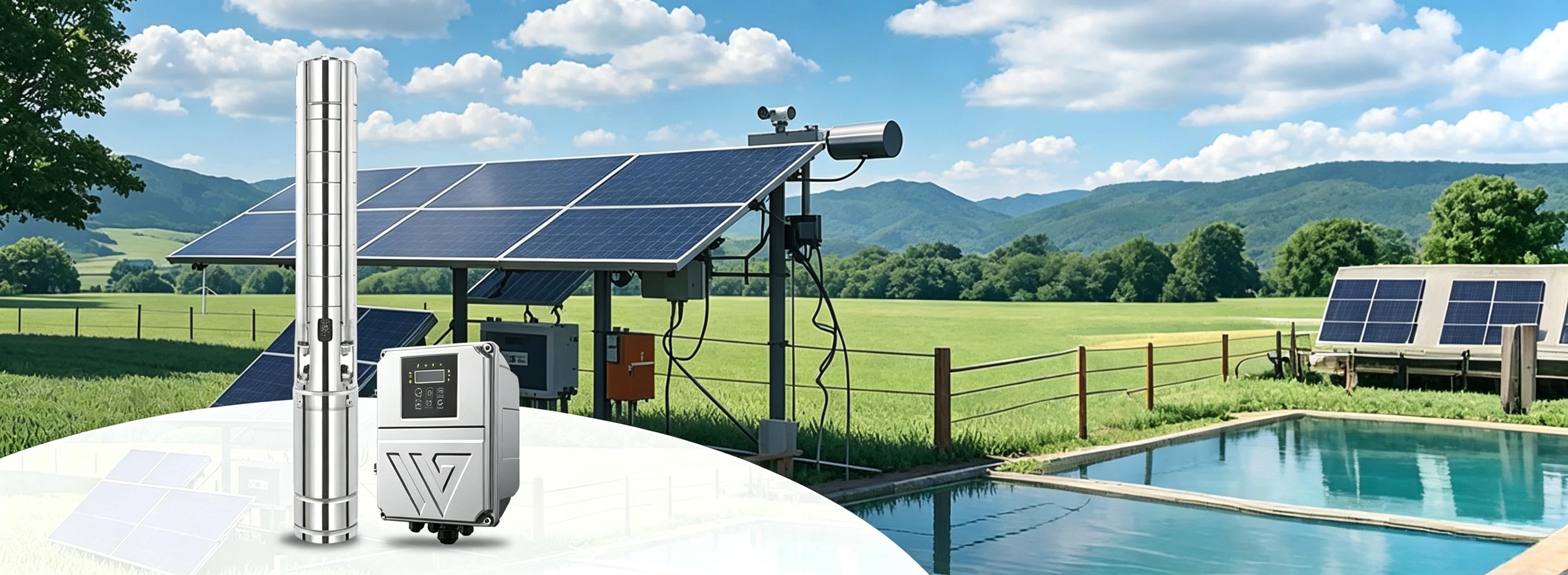
The main materials used in solar-powered sprinkler pumps (also known as photovoltaic water pumps) vary depending on the components and application. However, core components (especially those in direct contact with water) generally use corrosion-resistant, high-strength materials to ensure reliability under outdoor conditions, long-term operation, and varying water quality.
Stainless steel: This is the most common material in solar-powered sprinkler pumps, especially for critical flow components such as the pump body, impeller, and shaft. 304 stainless steel is widely used in agricultural irrigation and deep well water extraction due to its excellent corrosion resistance, low-temperature resistance, and mechanical strength. For example, some products explicitly state that they are made of stainless steel, suitable for clean water irrigation, and can withstand temperatures as low as -15°C.
Engineering Plastics: Some pump bodies or linings are made of engineering plastics such as polypropylene (PP), ultra-high molecular weight polyethylene (UHMWPE), and perfluoroethylene propylene (FEP). These are mainly used for conveying water sources with slight corrosiveness or containing particles, and offer advantages such as light weight, corrosion resistance, and low cost.
Ceramic: In high-end or submersible photovoltaic water pumps, ceramic bushings and shafts are often used to achieve complete waterproofing (IP68) and wear-free operation, combined with a magnetic drive structure, enabling brushless operation and long service life.
Cast Iron: In some traditional or high-power sprinkler systems, the pump body may be made of cast iron, but it usually requires surface anti-corrosion treatment to withstand outdoor environments.